


Keeping you informed on News and Views within the funeral planning industry
How to Cope on Special Dates After a Death

After someone dies, everyday life often settles into a quieter rhythm, but special dates can disrupt that sense of balance. Birthdays, anniversaries and holidays tend to carry strong emotional meaning, and when a loved one is no longer there, those moments can highlight their absence. Many people find that grief resurfaces more intensely on these occasions, even if they have been coping day to day.
It’s also common to experience anticipatory grief in the weeks leading up to a significant date. This emotional build-up can be exhausting and confusing, especially if you’re unsure how you’re ‘meant’ to feel or what you’re supposed to do.
If you’re struggling on special dates after a death, it’s important to know that this reaction is common and valid. There is no right or wrong way to cope with grief, and no obligation to mark special dates in a particular way or at all.
Over time, grief often changes. While these dates may always carry meaning, many people find that discovering personal ways to acknowledge them – or choosing when to step back – can make them more manageable in the long term.
This guide explores how to cope on special dates after death, including birthdays, Christmas and wedding anniversaries. You’ll find gentle, practical ideas alongside emotional reassurance, helping you decide what feels right for you.
Understanding ‘Firsts’ After a Death
The first birthday, Christmas or anniversary after a death often feels heavier than anything that comes before or after it. These ‘firsts’ mark the moment when time moves on without the person you’ve lost, which can make their absence feel suddenly unavoidable. For many people, this is when grief feels most raw. Not because they are coping badly, but because the reality of loss is being experienced in a new and deeply personal way.
It’s common to notice heightened emotions around these dates, including sadness, anxiety, irritability or even a sense of dread in the days leading up to them. Others feel unexpectedly numb or disconnected, unsure how they should feel or what they’re supposed to do. If you’re wondering what to do on a first birthday after a death, or how to get through the first Christmas, it may help to know that uncertainty itself is a normal part of grief.
There is no obligation to do something meaningful during these first milestones. For some people, simply getting through the day is enough. For others, keeping busy or treating the date like any other offers a sense of protection – and both responses are valid.
As time goes on, the way you approach these dates may change. Justine Dickinson, bereavement counsellor at Rowland Brothers Foundation, said: “A common myth is that once you’ve passed the first anniversaries, you’re ‘over it’. In reality, you don’t get over someone — you learn to live with the loss.”
How to Celebrate a Birthday After Someone Has Died
A loved one’s birthday can be one of the most emotionally charged dates after a death. Birthdays are usually associated with celebration and togetherness, so when someone is no longer there, the day can raise difficult questions about what feels appropriate or whether it should be acknowledged at all.
Should You Celebrate a Loved One’s Birthday After Death?
Many people struggle with guilt around this date. Some worry that celebrating feels disrespectful, while others feel equally uncomfortable ignoring the day altogether. There is no correct answer. Choosing to mark the birthday can be a way of honouring the person and your relationship with them. Choosing not to can be a way of protecting yourself emotionally.
Ways to Mark a Birthday
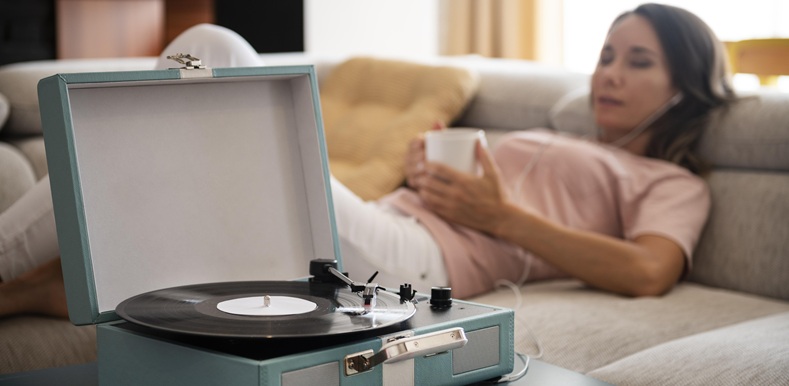
If you decide you’d like to acknowledge the day in some way, it doesn’t need to look like a traditional celebration. Many people prefer quieter, more personal gestures, such as:
- Lighting a candle or spending a few moments in reflection
- Visiting a place that holds special meaning for you or for them
- Continuing a small tradition they enjoyed, like listening to a favourite song or eating a particular meal
- Doing something kind in their memory, such as donating to a charity they cared about or helping someone else
- Writing a letter to them or noting down memories, thoughts or feelings that surface on the day
These approaches can feel appropriate if you’re unsure what to do on the first birthday after a death, when emotions are often at their most intense.
If You Choose Not to Celebrate
It’s entirely acceptable to treat the day like any other. You don’t owe the date a ritual and you don’t need to explain your choices unless you want to. For some people, keeping routines unchanged or staying busy helps the day pass more gently.
If friends or family reach out with expectations, it’s okay to set boundaries. Letting others know that you’re taking the day quietly (or that you’d rather not discuss it) can help protect your emotional space. Over time, you may find that your feelings about the birthday change, but for now, doing what feels manageable is enough.
Coping with Christmas and Other Holidays After a Death
Holidays like Christmas can feel complicated after a loss. They’re often tied to long-standing traditions, family expectations and memories of how things ‘used to be’, which can make the absence of a loved one feel impossible to ignore.
Many people feel torn between wanting to honour traditions and feeling unable to celebrate in the same way. You might notice pressure from others to keep things ‘normal’, even when that feels unrealistic or painful. However, there’s no obligation to approach the season as you always have.
Traditions don’t have to be all or nothing. Some can be paused for a year, adapted to feel gentler or let go of altogether. Changing how you mark Christmas doesn’t mean you’re forgetting the person you’ve lost, it often reflects an attempt to cope with grief in a way that feels manageable.
How to Get Through Christmas After a Death
Planning ahead can make Christmas feel less overwhelming. Thinking in advance about what you can realistically cope with allows you to make choices rather than reacting under emotional pressure.
You might find it helpful to:
- Decide what traditions you want to keep, and which you’d prefer to skip or modify
- Scale back expectations around socialising, hosting or gift-giving
- Let trusted people know what support you might need or when you need space
It’s also important to allow space for conflicting emotions. You may experience moments of warmth or enjoyment alongside sadness and longing. Feeling brief joy doesn’t diminish your grief, and feeling grief doesn’t mean you’ve failed to cope. Learning how to cope with grief at Christmas often involves accepting that both can exist at the same time.
How to Get Through the First Christmas After a Death
The first Christmas after a death is often the hardest. It’s the first time many traditions are faced without the person who was part of them, which can make the day feel unfamiliar or emotionally draining. To help you get through this period, practical adjustments can help reduce pressure.
Some people find it easier to:
- Keep gatherings shorter or attend only part of the day
- Change location, such as spending Christmas somewhere new
- Have an exit plan so they can leave if emotions become overwhelming
While this first experience can feel daunting, it’s worth remembering that Christmas doesn’t stay the same forever. Many people find that future holidays feel different as they discover new ways to approach the season that reflect their loss and their needs.
Wedding Anniversaries After the Death of a Spouse
Wedding anniversaries can be one of the most emotionally complex dates after the death of a spouse. Anniversaries are deeply personal, marking a shared commitment that doesn’t simply end with loss. For many people, the date brings up a mixture of love, loyalty, longing and sadness – often all at once.
It’s very common to feel conflicted about how to approach a wedding anniversary after a death. Some people worry that acknowledging the day means reopening painful emotions, while others feel that ignoring it would diminish the relationship they shared. However, like any other special occasion, there is no expectation either way.
What to Do on a Wedding Anniversary After a Death
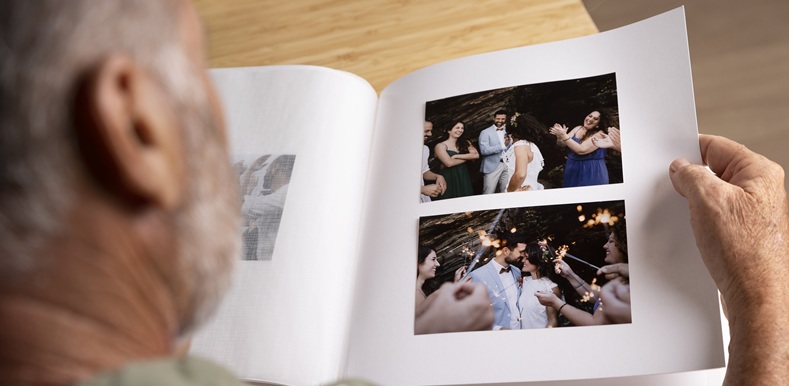
If you decide to acknowledge the day, many people find comfort in private, low-pressure ways of remembering. This might include:
- Spending time reflecting on your relationship and what it means for you
- Looking through photographs or revisiting shared memories
- Visiting a place that was meaningful to you both
- Lighting a candle or taking a quiet moment of remembrance
Some people prefer to spend the day with friends or family, while others choose to be alone. The most helpful approach is the one that feels emotionally safe for you. If you’re unsure what to do on a wedding anniversary after the death of a spouse or partner, starting with something small and flexible can make the day less overwhelming.
For many people, wedding anniversaries change as the years pass. Early anniversaries often feel closely tied to the pain of loss, while later ones may focus more on remembering the relationship itself – the shared experiences, love and life that existed.
You’re allowed to redefine what the date means as your grief evolves. What feels right one year may feel different the next, and that’s a natural part of adjusting. Giving yourself permission to let the anniversary take on new meaning can help it feel less like something to endure.
When Avoiding the Date is the Kindest Choice
Not everyone feels able or willing to acknowledge special dates after a death, and that choice deserves the same respect as any other. Avoiding a birthday, anniversary or holiday isn’t a sign of denial or emotional failure. In many cases, it’s a thoughtful way of protecting yourself during a particularly vulnerable time.
For some people, keeping busy on a difficult date helps prevent emotions from becoming overwhelming. Others find that stepping away from reminders, such as social media, gatherings or traditions tied to the day, allows them to maintain a sense of balance. These responses can be especially helpful in the first year, when feelings are often more intense and unpredictable.
Avoidance tends to be protective rather than unhealthy when it:
- Helps you get through the day without becoming emotionally flooded
- Feels like a conscious, self-caring choice rather than something forced
- Allows you to function before and after the date, rather than prolonging distress
Grief looks different for everyone, and emotional limits can change from one date to the next. Understanding what you can realistically cope with, rather than what you think you should do, is an important part of caring for yourself. Over time, you may find that your relationship with these dates shifts naturally. Until then, choosing distance can be a valid and compassionate response.
How Planning Ahead Can Help Loved Ones in the Future
While grief is deeply personal, some aspects of emotional strain can be eased through thoughtful planning made well in advance. When someone takes time to record their wishes for the future, it can provide lasting reassurance to the people they care about, particularly around significant dates and anniversaries that may otherwise feel uncertain or emotionally loaded.
Clear wishes made in advance can help reduce uncertainty for loved ones later. Knowing how someone wanted to be remembered, what mattered to them or which traditions felt meaningful can remove guesswork during birthdays, anniversaries or other important milestones. Rather than wondering whether they are ‘doing the right thing’, family members can feel more confident that they are honouring preferences that were chosen with care.
Planning ahead can also ease the pressure of decision making during emotionally charged times. Special dates often prompt reflection and when choices have been considered in advance, loved ones are freed from having to make difficult decisions while grieving. This can create space for remembrance without the added weight of doubt or responsibility.
When approached gently and proactively, funeral planning can be seen as an act of care. It’s a way of supporting emotional wellbeing in the future, offering clarity, reassurance and structure at a time when emotions may feel overwhelming. Planning ahead allows people to look after those they love.





Share this content...