


Keeping you informed on News and Views within the funeral planning industry
How to Help a Bereaved Friend
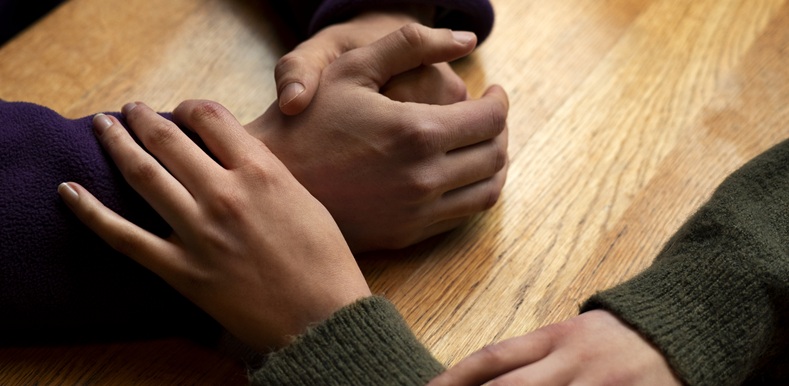
Supporting a friend who has experienced a bereavement can feel daunting. You want to help, but you may be unsure what to say or how to act. However, thoughtful support from friends and family can make a meaningful difference during grief.
This guide focuses on how to help a bereaved friend, offering clear, compassionate ways to show up for someone who’s grieving. Whether you’re looking for advice on how to support someone through grief or reassurance that you’re doing the right thing, this guide is designed to help you feel confident, thoughtful and supportive.
Explore This Guide
Understanding Grief and What Your Friend Might Be Experiencing
Grief is not a single emotion – it’s a complex mix of feelings, thoughts and physical reactions that can change from day to day. Grief affects people in different ways, and there is no ‘right’ way to respond to a loss. Your friend may experience waves of sadness, guilt, anger, numbness or confusion. They might have trouble sleeping, difficulty concentrating or feel physically drained. Others may become busier than ever, using routine or distraction as a coping mechanism.
It’s also important to remember that someone who appears ‘fine’ on the outside may still be struggling internally. Many people mask their feelings to protect others or keep life moving, which makes gentle support even more valuable.
Justine Dickinson, bereavement counsellor at Rowland Brothers Foundation, explains the signs to look out for: “Watch for signs that look like depression: ongoing hopelessness, withdrawing from daily routines, poor self-care, frequent illness or language like ‘I’ll never get through this.’”
Grief is not limited to the days immediately after a death, nor does it fade neatly once a funeral or memorial has taken place. Justine explains: “In the first few weeks, most people feel shock and disbelief. Over the next months, they’re still adapting. A common myth is that once someone has passed the first anniversaries, they’re ‘over it’. I often say acute grief takes around two years to settle – year one is raw, year two can feel quieter but deeper as the absence sinks in. In reality, you don’t get over someone, you learn to live with the loss, as certain dates, songs or places can catch you off guard months or even years later.”
Understanding this helps you support your friend with patience, empathy and long-term awareness. Grief has no fixed timeline, and your steady presence can be one of the most meaningful supports they receive.
What to Say (and What to Avoid) When Supporting Someone
Finding the right words when someone is grieving can feel overwhelming. You want to offer comfort, but you may worry about saying the wrong thing. A helpful place to start is with the basics: acknowledge the loss. Even a simple ‘I’m so sorry’ is useful.
From there, the most supportive thing you can do is listen. Allowing someone to be heard is one of the most powerful forms of support. You don’t need to offer solutions or try to ‘fix’ their pain – grief isn’t something that can be fixed, only supported.
Avoid phrases that minimise or explain away the loss, such as ‘Everything happens for a reason’ or ‘at least they lived a long life’. These clichés, although well-intentioned, can leave someone feeling misunderstood or dismissed. Instead, follow their lead. If your friend wants to talk about the person who has died, welcome it. If they don’t, respect their quiet.
If you’d like to read more on phrasing, tone and examples of how to check in, you can take a look at our full guide on ‘What to Say to Someone Grieving’.
Practical Ways to Support a Bereaved Friend

Emotional support matters deeply, but practical help can be just as important for someone navigating grief. Many people feel overwhelmed by everyday responsibilities, and small acts of practical care can ease that pressure.
One of the most effective approaches is to make specific offers, rather than the general ‘Let me know if you need anything’. While well-meant, it places the burden back on the bereaved person, who may not have the energy to decide what they need or ask for help.
Everyday tasks such as shopping, childcare, pet-care, cooking, school runs, or handling bills and admin can feel overwhelming when someone is grieving. Offering help with just one of these can make a difference.
It’s also helpful to keep invitations open, without pressure. A message like ‘I’m going for a walk on Saturday if you’d like to join’ allows your friend to choose based on how they’re feeling. Some days they may decline, but the availability can be reassuring.
Because grief is shaped by personality, culture and circumstance, try not to assume what your friend will find comforting. Instead, ask ‘What would feel helpful for you right now?’. This respects their individuality and avoids mismatched help.
Remember that support shouldn’t fade after the first few weeks. Birthdays, anniversaries and meaningful dates can be especially painful and often pass quietly for everyone except the bereaved person. Check-ins or small acts of kindness around these times show that they haven’t been forgotten.
Finally, consider the power of shared rituals. As Justine notes: “Rituals help. Suggest something that reflects the person who’s died – a favourite restaurant, a walk, a toast with their favourite drink, or visiting a meaningful place. Some prefer celebrating a birthday or a happy date rather than the day they died.”
Practical support isn’t about doing grand things, it’s about making daily life a little lighter, so your friend has room to breathe, grieve and gradually find their footing again.
Signs Someone Might Need More Help
Grief affects everyone differently, but there are times when someone may be struggling more deeply than they appear. Justine notes that grieving people may look ‘fine’ outwardly while quietly struggling inside. It’s important to recognise when a friend’s grief may be becoming overwhelming, persistent or unsafe. Some signs to look out for include:
- Withdrawing from social contact or daily routines
- Not eating properly or neglecting basic safe care
- Frequent illness or ongoing exhaustion
- Persistent hopelessness or language that suggests despair
- Sudden changes in mood, behaviour or sleep
- A sense that they’re ‘masking’ how they really feel
If you suspect that your friend might be struggling, check in with them to create a space for an honest conversation. If your friend shares that they’re finding it hard to cope, you can encourage them to seek additional support from a GP, counsellor or bereavement specialist, without making them feel judged or pressured.
How to Start a Sensitive Conversation
- Choose a quiet, private moment where neither of you feels rushed.
- Speak gently and avoid assumptions, e.g. ‘I’m worried about you – how are you really?’
- Listen without interrupting or trying to fix their feelings.
- Offer reassurance, e.g. ‘I care about you and want to support you.’
- If encouraging professional help, frame it positively, e.g. ‘You don’t have to face this alone – there are people who can help you through it.’
UK Support Resources
If your friend may need more structured help, you can gently signpost them to organisations such as:
- Rowland Brothers Foundation: 020 8684 1667
- Cruse Bereavement Support: 0808 808 1677
- Samaritans (available 24/7): 116 123
- The Good Grief Trust: information on support services
- Mind: information on counselling and wellbeing support
- NHS GP services for mental health advice or referrals
Looking After Yourself, Too
Supporting a grieving friend can be emotionally draining, especially if you’re worried about them. It’s important to set boundaries and maintain your own emotional wellbeing. Lean on your own support network, take breaks when needed and remember, you can walk alongside someone in grief, but you can’t carry the entire weight for them.
Staying attentive, compassionate and aware of these signs helps ensure your friend receives the support they need – whether from you, their community or a professional who can guide them further.
Long Term Support

Many people find that the most difficult period begins after the initial wave of support fades. Friends and family naturally return to their routines, yet the bereaved person continues adjusting to a life that has permanently changed. As Justine highlighted above, grief can resurface unexpectedly – months or even years later – especially around anniversaries, birthdays, holidays or major life events.
Providing long-term support means recognising that grief has no fixed timeline. Small, steady gestures can bring great comfort long after the initial weeks have passed. Here are some thoughtful ways to offer ongoing support:
- Mark meaningful dates: send a message, card or invitation on the anniversary of the death, the person’s birthday or another important date. Simple phrases like ‘Thinking of you today’ can make someone feel remembered.
- Offer regular check-ins: occasional messages such as ‘I was thinking of you today’ remind your friend that their grief is still seen and respected.
- Be present for new milestones: the first holiday without their loved one, a family celebration, a school event or even a quiet seasonal moment can bring emotions to the surface. Being available around these times, even just to listen, can offer valuable reassurance.
Throughout this long-term support, flexibility and patience are essential. People move through grief at different paces and in different ways. Your friend may seem to make progress and then feel set back by a memory, milestone or unexpected emotion. This is completely normal.
Continue to show up without judgement, pressure or expectation. By doing so, you become part of the steady, compassionate support that helps someone rebuild their life at a pace and in a way that is uniquely theirs.
How to Support Someone with Grief: What You Can Do
Here’s a quick practical checklist to help you support a bereaved friend with compassion, clarity and confidence:
- Reach out early and keep checking in, even brief messages can make a difference.
- Make specific offers of help rather than saying ‘Let me know if you need anything’.
- Listen more than you talk – presence matters more than perfect words.
- Respect their rhythm of grief by letting them lead conversations and set the pace.
- Acknowledge important dates like anniversaries, birthdays and meaningful milestones.
- Be gentle and avoid clichés that might unintentionally minimise their feelings.
- Watch for warning signs of deeper struggle and know when to encourage professional support.
- Take care of your own emotional health too, supporting someone through grief is meaningful, but it can also be emotionally taxing.
Helping a friend through bereavement is not a single act of kindness but an ongoing process. Grief unfolds over weeks, months and often years, and the steady presence of someone who cares can make an immeasurable difference. Your patience, your willingness to listen and your practical support all help create a sense of safety and connection at a time when the world may feel unsteady for them.
As you offer support, remember that it’s the small, consistent gestures that matter most – a message, a shared memory, an invitation, or simply being there without expectation. Keep the conversation going, stay connected and recognise that grief has no timetable. Showing up again and again, in ways that feel gentle and authentic, is one of the greatest gifts you can give.





Share this content...