


Keeping you informed on News and Views within the funeral planning industry
What to Say on an Anniversary of Death

The anniversary of a death can be a quietly emotional milestone. Even years later, the date can stir memories, sadness, gratitude or a sense of longing – reminders that grief doesn’t follow a predictable schedule and can resurface unexpectedly. Acknowledging the day, whether privately or in support of someone else, can make a meaningful difference. It shows you remember the person who died and that you recognise the ongoing nature of bereavement, not just the immediate days or weeks after a loss.
This guide offers advice on what to say on an anniversary of a death, along with thoughtful gestures you might choose to make, including whether it’s appropriate to send flowers. We also explore how the day matters, how to express support with sincerity, what to avoid saying, ways to mark the date and how to check in if someone might be struggling.
Whether you’re planning ahead for a sensitive date or simply want to support someone as the anniversary approaches, these ideas can help you navigate the day with compassion and confidence.
Why the Anniversary of a Death Matters
A death anniversary (sometimes called a remembrance day) is a moment set aside to recognise the life of someone who has died and the ongoing impact they have on the people who loved them. These dates often serve as emotional touchpoints: opportunities for reflection, remembrance and acknowledgement of how life has changed since the loss.
It’s common for emotions to resurface around an anniversary. These dates can trigger memories that feel as vivid as they did in the early days of grief, bringing feelings of sadness, longing or even warmth as stories and moments come back to mind. This resurfacing doesn’t mean someone is ‘going backwards’; it’s a natural response to a meaningful date that carries emotional weight.
Justine Dickinson, bereavement counsellor at Rowland Brothers Foundation, says: “A common myth is that once you’ve passed the first anniversaries, you’re ‘over it’. You don’t get over someone – you learn to live with the loss. Acute grief usually needs two years of adjustment, and even then, certain dates, songs or places can catch you off guard.”
Remembering the date and reaching out reassures someone that their loss hasn’t been forgotten and that the person who died is still in mind. And it isn’t only the first anniversary that matters. Grief can echo for years, so the fifth, tenth or twentieth anniversary may be just as tender or significant as the first.
What to Say on the Anniversary of a Death
Anniversaries of a death can feel delicate, and many people worry about saying the wrong thing. But often, the most supportive words are simple, sincere and come from a place of genuine care. Here’s how to approach the conservation with sensitivity:
Opening with Acknowledgement
A gentle acknowledgement is often the most meaningful place to start. Simple phrases, like ‘I’m thinking of you today and remembering them’ or ‘I just realised today is the anniversary of their passing. I wanted you to know I’m here’, can offer comfort by recognising the significance of the day without overwhelming the person.
Simple acknowledgement works because it validates their feelings and lets them know their loved one hasn’t been forgotten. You don’t need elaborate wording or profound statements – straightforward and heartfelt language is often the most comforting.
Sharing a Memory or Expressing Support
If you know the person who died, sharing a warm memory can be incredibly supportive. Even a small detail can mean a lot, such as ‘I remember how they always…’. If you didn’t know them well, you can still honour the occasion by focusing on the bereaved person’s experience: ‘I may not have known them in the way you did, but I know their impact on your life, and I’m thinking of you.’
What Not to Say
There are phrases that, while well-intentioned, can feel dismissive or minimising. Clichés such as ‘Everything happens for a reason’ or ‘At least they’re in a better place’ can unintentionally diminish someone’s grief.
Try to avoid assuming you know exactly how they feel or offering explanations for their loss. Instead, keep the focus on their experience and acknowledge the uniqueness of their relationship with the person who died.
Above all, remember that you don’t need to ‘fix’ their grief. Sometimes the most meaningful support is simply showing up, speaking gently and letting them know they’re not facing the day alone.
Do You Send Flowers on an Anniversary of Death?
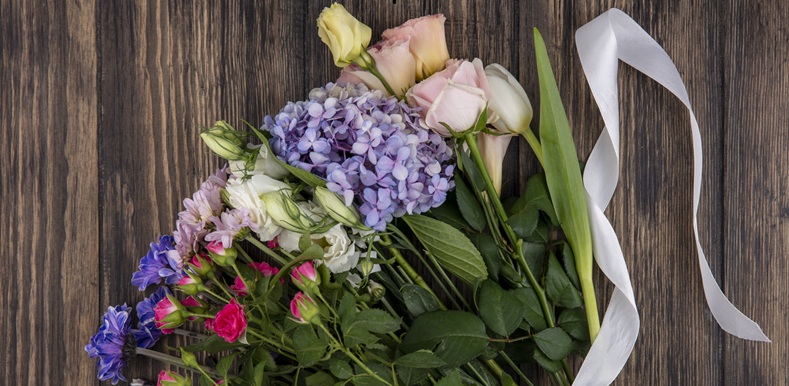
While words can offer comfort, thoughtful gestures often speak just as powerfully on the anniversary of a death. Sending flowers can be a meaningful and compassionate gesture, as it quietly acknowledges the significance of the day and honours the person who has died. However, it isn’t a requirement. It depends on the bereaved person’s preferences, their personality and the nature of your relationship with them.
If you choose to send flowers, keep the gesture simple and sincere. A short note such as ‘Remembering them today and thinking of you’ can be enough to show care without overwhelming the recipient.
Flowers aren’t the only option, though. Many people appreciate gestures that align more closely with personal rituals or memories, marking the day in a way that reflects the person can feel grounded.
Justine explains the role that personal rituals can play: “Rituals help. Suggest something that reflects the person – a favourite restaurant, a walk, a toast with their favourite drink, or visiting a meaningful place. The point is to acknowledge the day together in a way that fits them.”
It’s also important to recognise that some people prefer the anniversary to be a very private, reflective day. In those cases, a simple message or subtle gesture may feel more appropriate than something public or elaborate.
Ultimately, while flowers remain a classic choice, ongoing check-ins, presence and simple acts of remembrance often carry more value. What matters most is not the gesture itself, but the message behind it.
How to Check In on Someone Possibly Struggling

Anniversaries can be difficult even for people who seem to be coping well on the surface. Some individuals mask their feelings or withdraw quietly, which makes thoughtful check-ins especially important.
Justine advises: “Watch for signs that look like depression: ongoing hopelessness, withdrawing from daily routines, poor self-care, frequent illness or language like ‘I’ll never get through this.’ Ask directly how they are, and if you’re worried, it’s okay to ask clearly about safety, including thoughts of self-harm. People who mask can be very convincing, so gentle, honest questions matter.”
Being aware of subtle signs can help you recognise when someone might be struggling more than they let on. These indicators don’t always signal a crisis, but they do suggest the person may need extra support, particularly around the anniversary.
Reaching out ahead of the date can be especially meaningful. A simple message the day before, such as ‘I know tomorrow might be a tough day, so I just wanted you to know I’m thinking of you’, can offer reassurance and remind them they’re not alone.
When offering help, try to be specific rather than making an open-ended offer. Concrete support is easier for people to accept when they’re overwhelmed. Instead of ‘Let me know if you need anything’, try:
- ‘I’ll drop by with dinner on Tuesday.’
- ‘I’m free this afternoon if you’d like company for a walk.’
- ‘I can run an errand for you this week if that would take some pressure off.’
These kinds of gestures reduce the emotional load of asking for support.
It’s also helpful to acknowledge that grief isn’t linear. Even if someone appears ‘fine’, they may still be experiencing intense emotions underneath. Including a gentle, no-pressure reminder that you’re there can create space for them to respond in whatever way feels comfortable.
Finally, if the person expresses persistent despair or thoughts of self-harm, encourage them to seek professional support. While you’re not responsible for fixing their grief, your concern and presence can help guide them toward the help they need.
Thinking Ahead
For those planning ahead, the anniversary of a death isn’t only a moment of remembrance – it can also be part of a thoughtful, future-focused plan. If you’re organising your affairs in advance or helping a loved one consider their long-term wishes, it may be comforting to discuss how anniversaries will be acknowledged in the years to come.
By thinking ahead about how you or your family would like to honour an anniversary of passing, you can reduce uncertainty and stress later. Loved ones often appreciate having clear guidance, especially on days that carry emotional weight.
As part of your arrangements, you might choose to include traditions such as:
- Sending flowers each year
- Organising a yearly toast or get-together
- Sharing memories or photos
- Visiting a meaningful place on the date
These small details can become part of the legacy you leave behind, offering your family gentle structure and comfort as they navigate future anniversaries.
Example Messages and Templates
Finding the right words can feel daunting, especially on a meaningful date like the anniversary of a death. Here are example messages tailored to different relationships and contexts – you can adapt them to suit your voice, the situation and how well you knew the person who died.
For a Friend
- ‘Thinking of you today as you remember [NAME]. Their warmth and kindness remain with us all.’
- ‘I just wanted to let you know I’m here today – whether you’d like company or just quiet. [NAME] is remembered, and so are you.’
For a Family Member
- ‘Holding you close in my thoughts today. I know how much [NAME] meant to you, and I’m here for whatever you need.’
- ‘Today may bring up a lot of memories. If you’d like to talk about [NAME], laugh, cry or simply sit together, I’m here.’
For a Sibling
- ‘I’m thinking about [NAME] today and all the moments you shared. If you want to remember them together, I’d love to.’
- ‘Anniversaries can be tough. Just wanted you to know I’m with you, whatever today feels like.’
For Someone Who Prefers Space
- ‘If you’d rather not talk today, that’s completely okay. I just wanted to let you know I’m thinking of you and remembering [NAME].’
- ‘No need to reply – simply sending love as you move through the day.’
For a Coworker or Professional Relationship
- ‘On this day of remembrance for [NAME], please know you’re in my thoughts. If there’s anything I can do to ease your day, I’m here.’
- ‘I realise today may be significant for you. Wishing you gentleness and support.’
For Someone You Didn’t Know the Loved Personally
- ‘I may have not known [NAME], but I know how important they were to you. Thinking of you today.’
- ‘I’m here for you as you remember someone very special. Please take care today.’
When sending any message, personalising it makes it far more meaningful. Using the person’s name, mentioning a trait you admired or recalling a memory shows care, strengthens connection and honours the person who has died in a heartfelt way.
Anniversaries of a death can be emotional, significant moments and thoughtfully acknowledging them can bring comfort. You don’t need perfect words – you just need to show you remember and you care.





Share this content...