


Keeping you informed on News and Views within the funeral planning industry
What to Do on a Death Anniversary

The anniversary of a death can be difficult, even many years after someone has died. Dates have a way of holding emotional weight, and as a death anniversary approaches, memories, thoughts and feelings can resurface without warning. You may find yourself thinking more about the person you’ve lost, replaying moments you shared, or feeling a renewed sense of absence on the day itself.
It’s also normal for emotions to feel mixed or unclear. Some people experience sadness or longing, while others feel reflective, grateful for the memories they still carry or even emotionally numb. These responses can change from year to year, and none of them mean you are grieving the ‘wrong’ way.
Because grief is deeply personal, there is no single rule for how to mark a death anniversary. Some people prefer quiet reflection, others choose to spend time with family, and some decide not to acknowledge the day at all. The most important thing to remember is to do whatever feels right for you.
What is a Death Anniversary?
A death anniversary is the yearly date marking when someone died. For many people, this date becomes a significant moment of remembrance, often bringing thoughts of the person and the circumstances surrounding their death back into focus. Even if the day passes quietly, it can still carry emotional meaning.
It’s important to distinguish a death anniversary from other dates that may also feel difficult after a loss. The date of death marks the moment life changed and is often associated with strong memories or emotions. A birthday after death can feel different, as it focuses on who the person was and the life they lived rather than the loss itself. Other milestones, such as weddings, holidays or family events, can also prompt feelings of grief because they highlight the person’s absence during moments that would once have been shared.
Death anniversaries often trigger grief responses because they combine memory, routine and symbolism. The calendar acts as a reminder, routine draws attention to the passing of another year, and the symbolism of the date can make the loss feel newly present again. Even when day-to-day grief has softened, these factors can cause emotions to resurface in ways that feel unexpected.
What to Do on a Death Anniversary

Quiet, Personal Ways to Mark the Day
Many people choose to keep a death anniversary private. Spending time alone can offer space to reflect without expectations from others. This might include journaling your thoughts, memories or feelings, or simply sitting quietly and allowing the day to pass at its own pace.
Visiting a place that feels meaningful can also be comforting. This could be a favourite walk, a bench, a garden or anywhere you associate with the person. At home, lighting a candle can act as a symbol of remembrance; while listening to music connected to them may help you feel close to their presence without needing words.
Doing Something They Loved
Another way to approach what to do on a death anniversary is to honour the person through the things they enjoyed. Cooking their favourite meal, baking something they loved, or sharing a dish with others can turn remembrance into a nurturing act rather than a sad one.
You might also choose to watch a film, TV programme or sporting event they enjoyed, or spend time on an activity they valued, such as gardening, walking or visiting a familiar place. These actions can shift the focus from loss to connection.
Creating a Simple Ritual
Some people find comfort in creating a small ritual they repeat each year. Writing a letter to the person can provide a way to express thoughts that feel unfinished or simply share what has happened since they were last present. Others choose to read a poem, prayer or meaningful passage that reflects their relationship.
Planting flowers or tending a garden can also become an annual ritual, symbolising continuity and growth. Repeating the same simple act each year can offer reassurance, providing structure and familiarity on a day that might otherwise feel emotionally uncertain.
Justine Dickinson, bereavement counsellor at Rowland Brothers Foundation, said: “Rituals help. You could do something that reflects the person – a favourite restaurant, a walk, a toast with their favourite drink or visiting a meaningful place. Some prefer celebrating a birthday or a happy date rather than the day they died. The point is to acknowledge the day in a way that fits them.”
Take a look at our blog post on how to commemorate the death of a loved one for more ideas.
What to Do for a Death Anniversary with Family or Friends
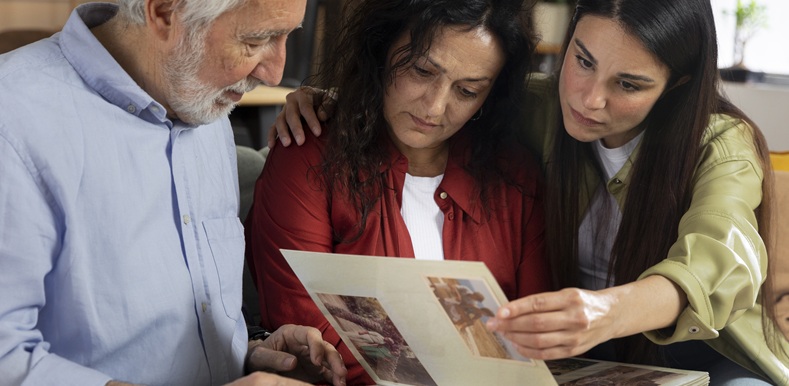
For some people, a death anniversary feels easier when it’s shared with others who also knew and loved the person. Marking the day together can create a sense of connection and mutual understanding, particularly when everyone involved feels comfortable doing so. There’s no obligation to gather, but shared remembrance can be reassuring when it feels right.
Simple, informal activities are often the most meaningful. Families or close friends may choose to share memories, stories or photographs, allowing space for both laughter and quiet reflection. Coming together for a meal can also be a way to acknowledge the day, especially if the food or setting holds personal significance. Others find comfort in visiting a memorial, a grave or a location that was important to the person, such as a favourite park or place they spent time.
It’s important to recognise that people grieve in different ways, even within the same family. One person may want to talk and remember openly, while another may prefer silence or distraction. Respecting these differences can help avoid added pressure or misunderstandings on an already emotional day.
What to Do on the Anniversary of a Death When You’re Struggling
Some death anniversaries feel harder than others. You might notice the day feels particularly overwhelming if emotions are more intense than usual, concentration is difficult, or you feel unusually tired, irritable or withdrawn. Even if you’ve been coping well most of the year, the anniversary can bring a sudden wave of grief that feels out of proportion or unexpected.
When this happens, there are several ways to help ease the pressure:
- Reducing expectations for the day is often important; you don’t need to be productive, social or emotionally composed.
- Letting trusted people know you may need extra space or support can also relieve the burden of having to explain yourself later.
- Keeping plans flexible or avoiding firm commitments altogether, allows you to respond to how you feel in the moment.
It’s also worth remembering that choosing not to mark the anniversary can be a valid and healthy response. Avoiding the date doesn’t mean forgetting the person; it simply means prioritising your wellbeing when the anniversary feels too difficult to face.
Should You Mark a Death Anniversary Every Year?
There is no obligation to mark a death anniversary every year. Some people choose to acknowledge the date annually, while others do so only in the early years after a loss, or not at all. Grief doesn’t follow a fixed timeline, and how you relate to the anniversary may change as time passes.
Justine said: “A common myth is that once you’ve passed the first anniversaries, you’re ‘over it’. In reality, you don’t get over someone – you learn to live with the loss. Acute grief takes around two years to settle – year one is raw, year two can feel quieter but deeper as the absence sinks in – and even then, certain dates, songs or places can catch you off guard.”
For many, remembrance evolves naturally. In the early stages of grief, the anniversary may feel closely tied to the pain of the loss itself. Over time, this can shift towards quieter reflection or gentle remembrance, or the date may begin to hold less emotional weight altogether. This change doesn’t mean the person is any less important; it simply reflects healing and adjustment.
Supporting Someone Else on a Death Anniversary
When someone you care about is approaching the anniversary of a death, it’s natural to worry about saying or doing the wrong thing. A way to acknowledge the anniversary is to keep your approach gentle and pressure-free. This might be as simple as letting them know you’re thinking of them, without expecting a response or conversation. For many people, knowing that the date hasn’t been forgotten can feel deeply reassuring.
Small gestures can also offer meaningful support. Sending a short message, card or note can quietly acknowledge the day without overwhelming the person. In some cases, offering your presence – whether that’s a walk, a shared cup of tea or simply being available – can help, as long as it’s done without pressure or expectation.
Above all, it’s important to respect that everyone experiences grief differently. Some people appreciate support while others prefer privacy. Letting them take the lead and reassuring them that there is no need to respond or engage if they don’t feel able, helps ensure your support feels caring rather than intrusive.
How Planning in Advance Can Ease Future Anniversaries
For those thinking about the future, planning ahead can be a way to support loved ones after you’re gone. Making plans in advance, including funeral arrangements, can reduce uncertainty for family and friends in the future. When practical decisions have already been taken care of, loved ones are free from having to make difficult choices at an emotional time.
Planning ahead can also help create meaningful points of remembrance. By setting out preferences, such as music, readings or personal touches, you leave guidance that can shape how you are remembered. These details often become part of how families reflect on anniversaries, providing comfort in knowing the arrangements reflected the person who made them.
Loved ones can also take comfort from knowing that arrangements weren’t rushed or left to chance and made calmly with care and intention.
There is No Right or Wrong Way to Remember
A death anniversary is a deeply personal moment with no two experiences being the same. What matters most is choosing what feels meaningful and supportive for you, rather than what you think you should do. Allowing yourself compassion, flexibility and kindness can make a significant difference, especially on days that may bring up unexpected emotions.
How you remember may change over time, and that’s okay. Grief and remembrance evolve, and giving yourself permission to adapt helps ensure that the anniversary remains a moment of care rather than pressure.





Share this content...